A little more than two months ago my piece on a group of students fighting to reserve space in the university bookstore for sweatshop-free clothing published in the city magazine. I first saw it online and then a few weeks later, I had a friend send me the print magazine. Right there, on the front cover: my story and the voices of various players in the fight against sweatshops. I spent about six months putting together the story. At first, I read it with the same egotistical reserve as many writers – angry at the small edits in sentence structure and cuts in length on “X” paragraph. As a writer, especially a long-form writer, you grow close to those words you poured over for so long. But after about a week, I read it again. Then I read it in print. No matter the small edits, the story is still there. And I’m proud of the hours and late nights I spent telling it.
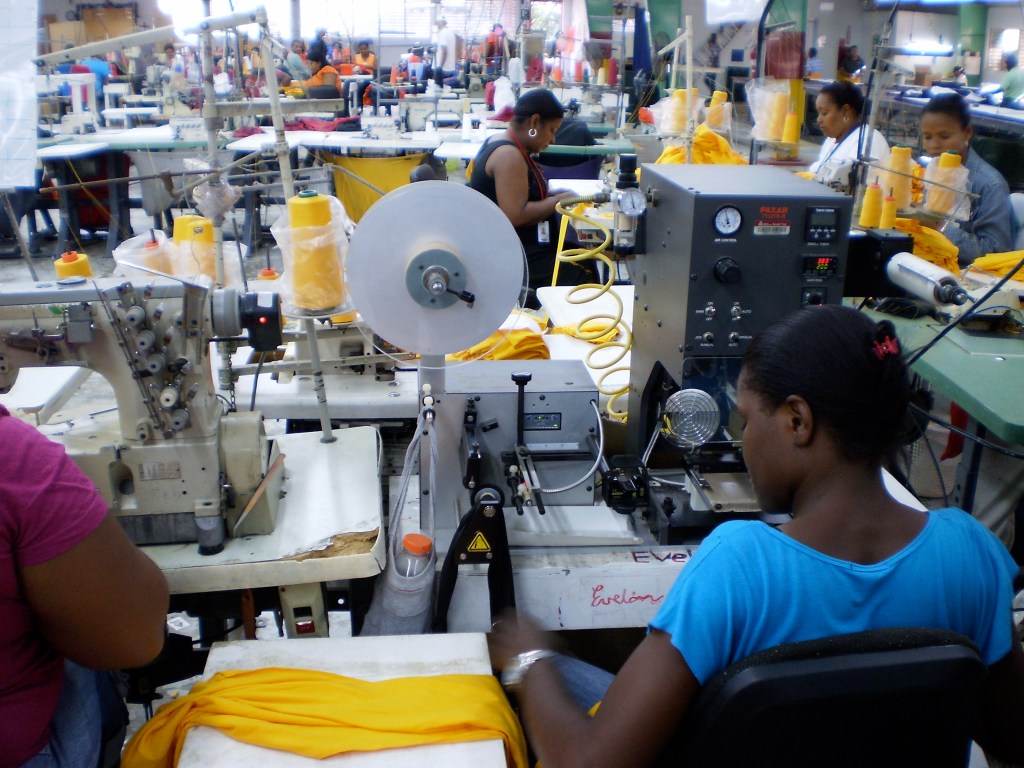
Slavery is not a mythic creature from age-old books. Modern slavery holds the term modern for a reason. And slavery is not an exaggeration. After writing this piece, if there’s one thing I’ve learned, it is that we have a choice to acknowledge when standard human rights are being infringed upon. That acknowledgement is the first step to making change. The clothes on our backs come from somewhere. Everything we buy comes from somewhere. It is someone’s livelihood. And far too often, it is someone’s sweat and tears that give us the things we have. As citizens with the privilege to read the news and, for some of us, to report the news, we bear a responsibility to those who do not have a voice.
The students I followed in this story took it upon themselves to stand up for what they know is right and to make it known that this is an important issue that their university should care about. The bookstore administration in this story listened with two ears: a socially responsible ear and a financially responsible ear. This story is about the journey to find a balance of the two.
——————————————————————————————
Their voices carry through the MU Bookstore with the hurried sounds of anticipation. They walk past the racks of black and gold and rows of neatly folded T-shirts. These eight students bounce downstairs, past the textbook shelves and through the “employees only” doors. They approach the administration reception desk.
All are part of the newly established MU chapter of the United Students Against Sweatshops; they’re told to wait in a seating area until MU Bookstore Director Sherry Pollard is available. And when she is, the students file in and take up every seat in the conference room.
The evening before, the founder and president of the group, Angela Pagán, sat on her living room floor facing a small group of supporters. “It’s not really a discussion with them,” she said. “It’s a social justice intervention.”
You can read the rest of the article at Vox Magazine.
 By Cecilia Garza
Leave a comment